
The rise and fall of gambling a historical journey through time
The Origins of Gambling
The roots of gambling can be traced back to ancient civilizations, where it served not only as entertainment but also as a means of divination and decision-making. Archaeological findings suggest that games of chance were played in ancient China, with the earliest dice dating back to 3000 BC. Similarly, the Greeks and Romans embraced gambling, with various forms of betting on games, gladiatorial contests, and even political events, showcasing that even today, sites like mythoswincasinoonline.com reflect the enduring appeal of games of chance. This historical context illustrates how gambling was intricately woven into the fabric of society, reflecting cultural values and human nature.

In ancient Rome, gambling was so prevalent that it was regulated by law. The Roman Empire legalized various betting games, such as dice and betting on chariot races, creating a vibrant gambling culture. This period saw the establishment of the first organized betting houses, laying the groundwork for modern casinos. The evolution of gambling practices during these times highlights the persistent human desire for risk and reward, showcasing gambling as a reflection of society’s social structures and leisure activities.
As gambling spread through the Middle Ages, it began to face challenges, particularly from religious authorities who viewed it as sinful. Despite this, clandestine gambling continued to flourish in taverns and other informal settings. The emergence of card games during this era, including the precursor to modern poker, further solidified gambling’s place in social gatherings. The interplay of acceptance and resistance during these times set the stage for gambling’s growth into a mainstream activity in later centuries.
The Golden Age of Casinos
The 18th century marked a significant turning point in the history of gambling with the establishment of formal casinos across Europe. The Casino di Venezia, opened in 1638, is often recognized as the world’s first official casino, paving the way for others in places like Monte Carlo and Baden-Baden. This era represented the golden age of gambling, where extravagant venues catered to the wealthy elite, offering not just games of chance but also luxurious experiences, attracting tourists from around the globe.
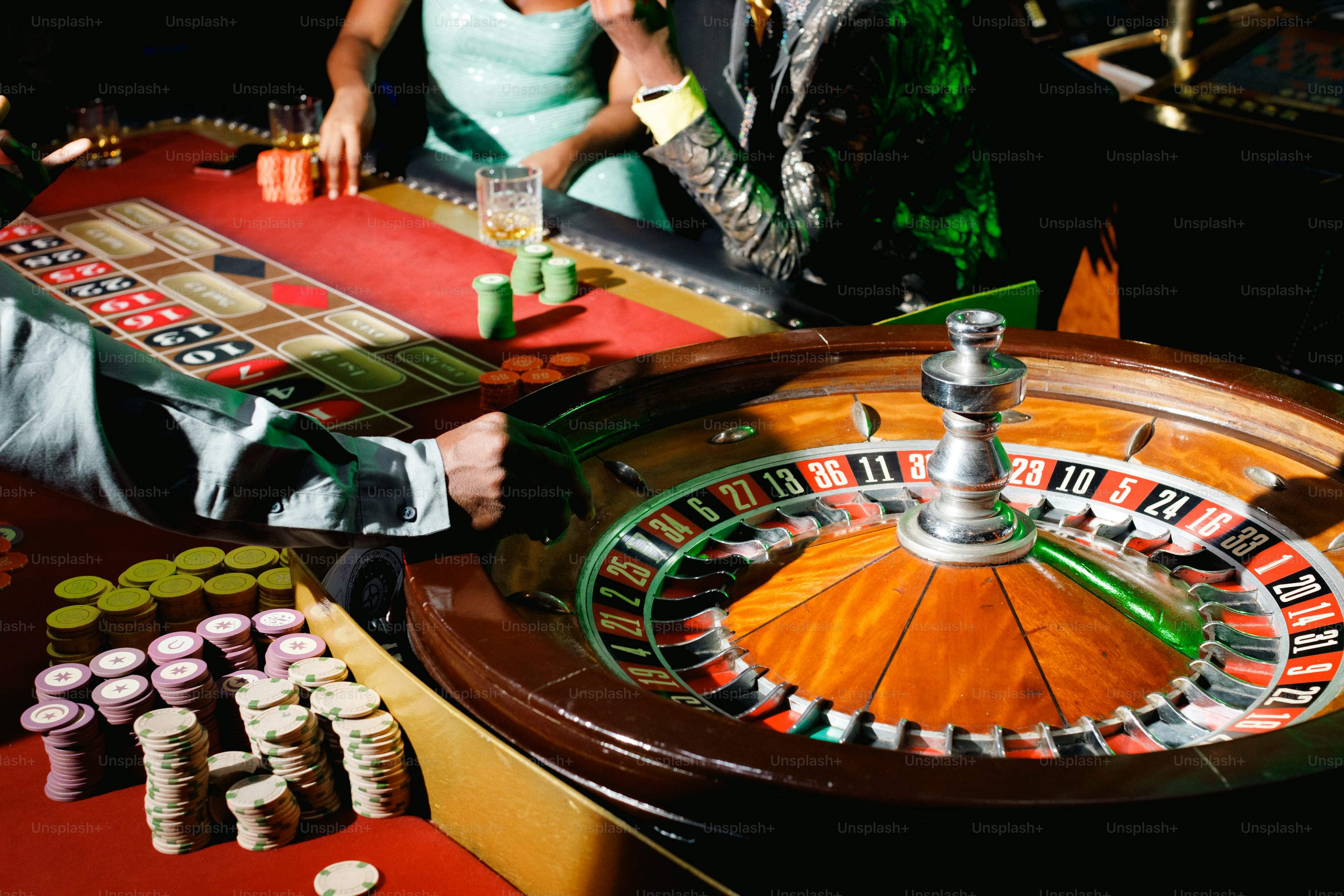
As the popularity of gambling grew, so did the variety of games offered. The introduction of roulette and baccarat added excitement and allure, while poker quickly became a staple in America, particularly during the gold rush era. The image of glamorous casinos, bustling with high-stakes gamblers and lavish entertainment, was solidified in popular culture. This period not only highlighted the opulence associated with gambling but also contributed to the societal acceptance of casinos as entertainment hubs.
However, the rise of casinos also brought forth new challenges, including issues of addiction and crime. Authorities began to recognize the darker side of gambling, leading to increased regulation and scrutiny. The societal impact of gambling became a point of contention, illustrating the duality of its role as both a source of enjoyment and a potential vice. This tension between the glamour of casinos and the concerns of society foreshadowed the struggles gambling would face in the modern era.
The Decline and Regulation of Gambling
The early 20th century witnessed a significant decline in gambling activities, particularly in the United States, as many states enacted strict anti-gambling laws. The Great Depression further fueled this decline, as economic hardships led to a moral crackdown on vice, including gambling. However, during this time, organized crime began to infiltrate the gambling industry, leading to a rise in illegal operations and underground gambling dens. This underbelly of gambling presented a stark contrast to the previously glamorous image of casinos.
In response to the pervasive illegal gambling, states gradually began to reconsider their stance on regulation. The mid-20th century saw a revival of legal gambling, starting with Nevada’s legalization of casinos in 1931, which laid the groundwork for the modern gambling industry. As states recognized the potential revenue from regulated gambling, many began to introduce lotteries and casinos, aiming to control illegal activities and generate funds for public services. This evolution reflected a shifting societal perspective, where gambling was no longer solely viewed as a vice but as a viable economic strategy.
Despite the resurgence of legal gambling, issues related to addiction and crime persisted. As gambling became more accessible through lotteries, racetracks, and casinos, regulatory bodies were tasked with ensuring responsible gambling practices. The establishment of organizations dedicated to addressing problem gambling marked a significant shift in how society approached gambling, emphasizing the importance of balancing economic benefits with social responsibility. This delicate balance continues to shape the gambling landscape today.
The Modern Era of Gambling
The advent of the internet brought about a revolutionary shift in gambling, giving rise to online casinos and gaming platforms that became accessible to a global audience. The 1990s saw the first online gambling sites emerge, allowing players to enjoy a wide variety of games from the comfort of their homes. This digital transformation not only expanded the reach of gambling but also introduced innovative gaming options, engaging a younger demographic and reshaping the industry as a whole.
As online gambling grew in popularity, it prompted a renewed focus on regulation. Governments worldwide began to establish frameworks to oversee online casinos, ensuring consumer protection and fair play. The introduction of responsible gambling measures became crucial as the potential for addiction increased with easier access to games. This period marked a significant transition, where the conversation around gambling shifted from purely economic advantages to a comprehensive dialogue about player welfare and safety.
Additionally, the integration of technology into gambling has led to the rise of mobile gaming and live dealer options, further enhancing user experiences. Social media and streaming platforms have transformed how players engage with gambling, enabling real-time interactions and community building among users. This modern era of gambling is characterized by innovation and adaptation, reflecting the ever-evolving nature of human entertainment and the continuing allure of chance.
Exploring the Future of Gambling
The future of gambling is poised for further transformation, with technological advancements paving the way for new experiences. Innovations such as virtual reality and augmented reality are beginning to make their mark, offering immersive gaming environments that challenge traditional casino experiences. As technology continues to evolve, the gambling industry will likely adapt to meet the changing preferences of consumers, creating a dynamic landscape that prioritizes engagement and interaction.
Additionally, with the increasing acceptance of gambling across various jurisdictions, the potential for global expansion is significant. Countries that have historically banned gambling are beginning to explore regulatory frameworks that could open their markets, leading to a surge in new players and innovative gaming options. This expansion brings both opportunities and challenges, emphasizing the need for responsible regulation to protect consumers and maintain the integrity of the industry.
As the gambling landscape continues to evolve, platforms like MythosWin casino offer a glimpse into the future of online gaming. By combining user-friendly interfaces with a wide range of games, these platforms cater to the modern gambler’s needs, emphasizing seamless experiences and customer satisfaction. The ongoing journey of gambling, marked by its rise and fall throughout history, remains a testament to human fascination with chance and the pursuit of fortune.


